Our Gallery
“Sacred Artistry from the Hills of Galilee to the Desert of Sinai”
Two distinct housings for your piece: a midnight black kraft carton and a solid acacia heritage box. Acacia is the timber named in Scripture for the Ark of the Covenant and the sacred woodwork of the Tabernacle—chosen here so the outer enclosure carries the same sense of permanence and awe as what lies within.
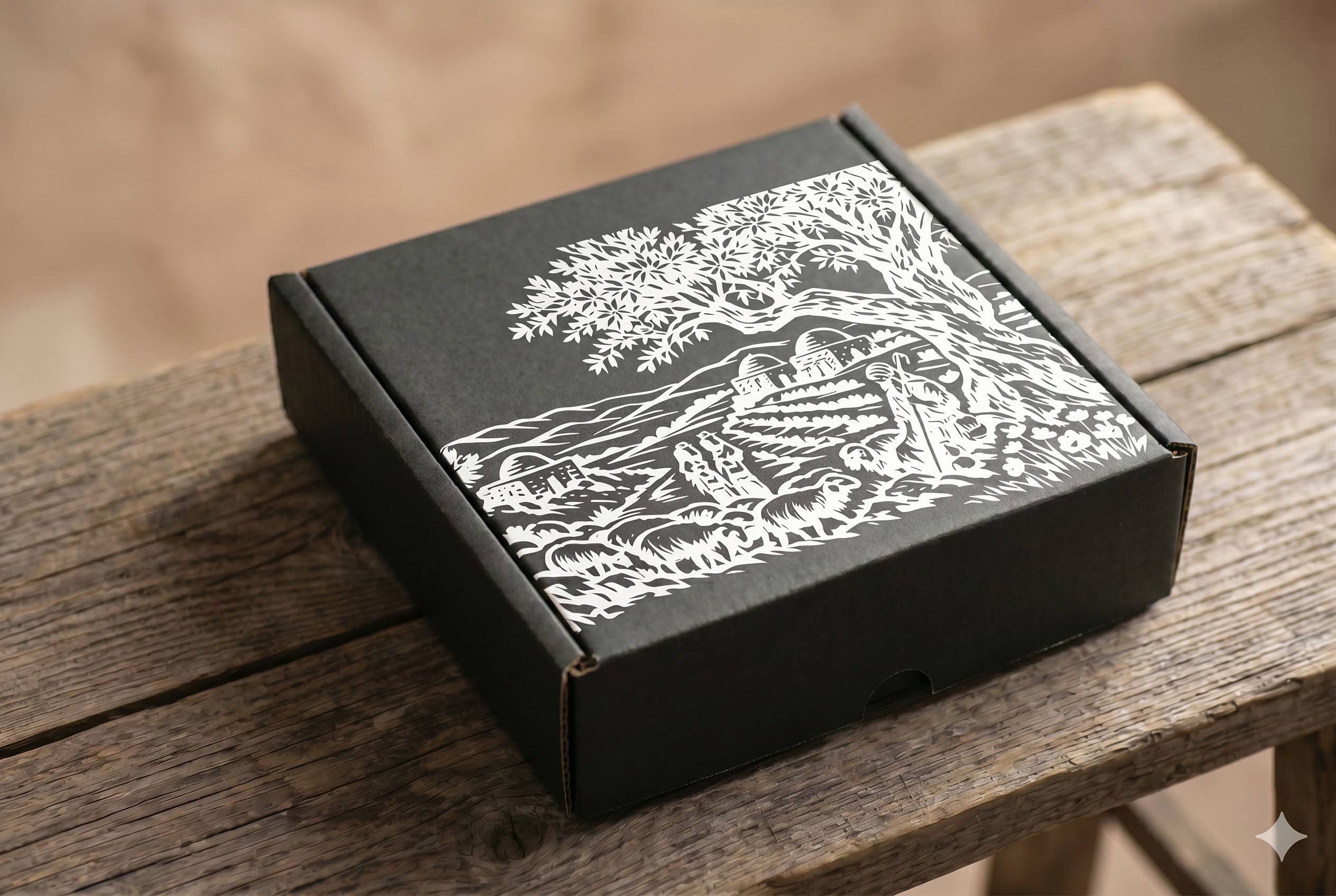
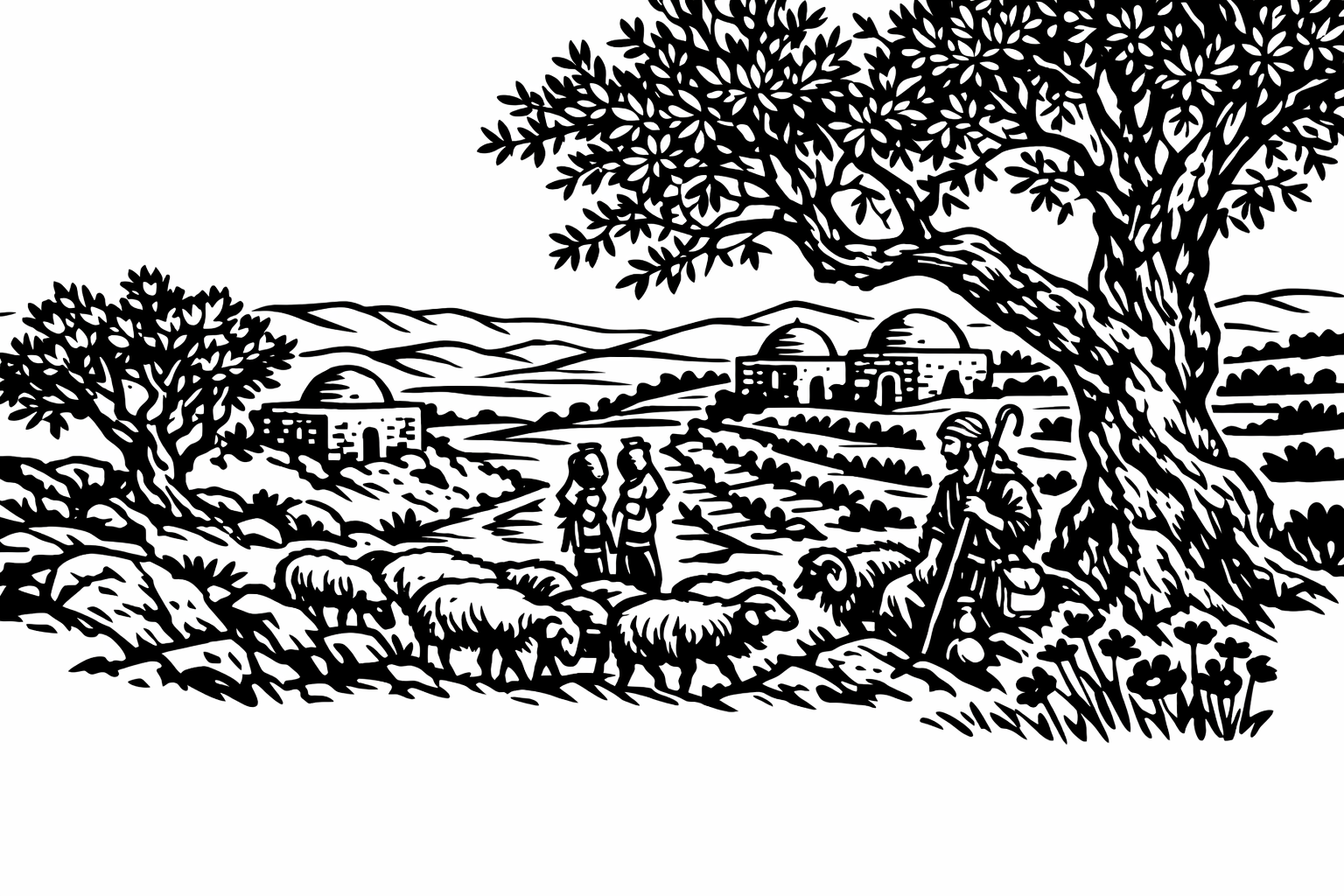
The Midnight Kraft cartridge
A matte midnight black kraft shell with the Shepherd of Judea illustration—desert minimalism with a clear nod to the Judean hills. The carton protects the piece for travel and unveiling while staying light in the hand.


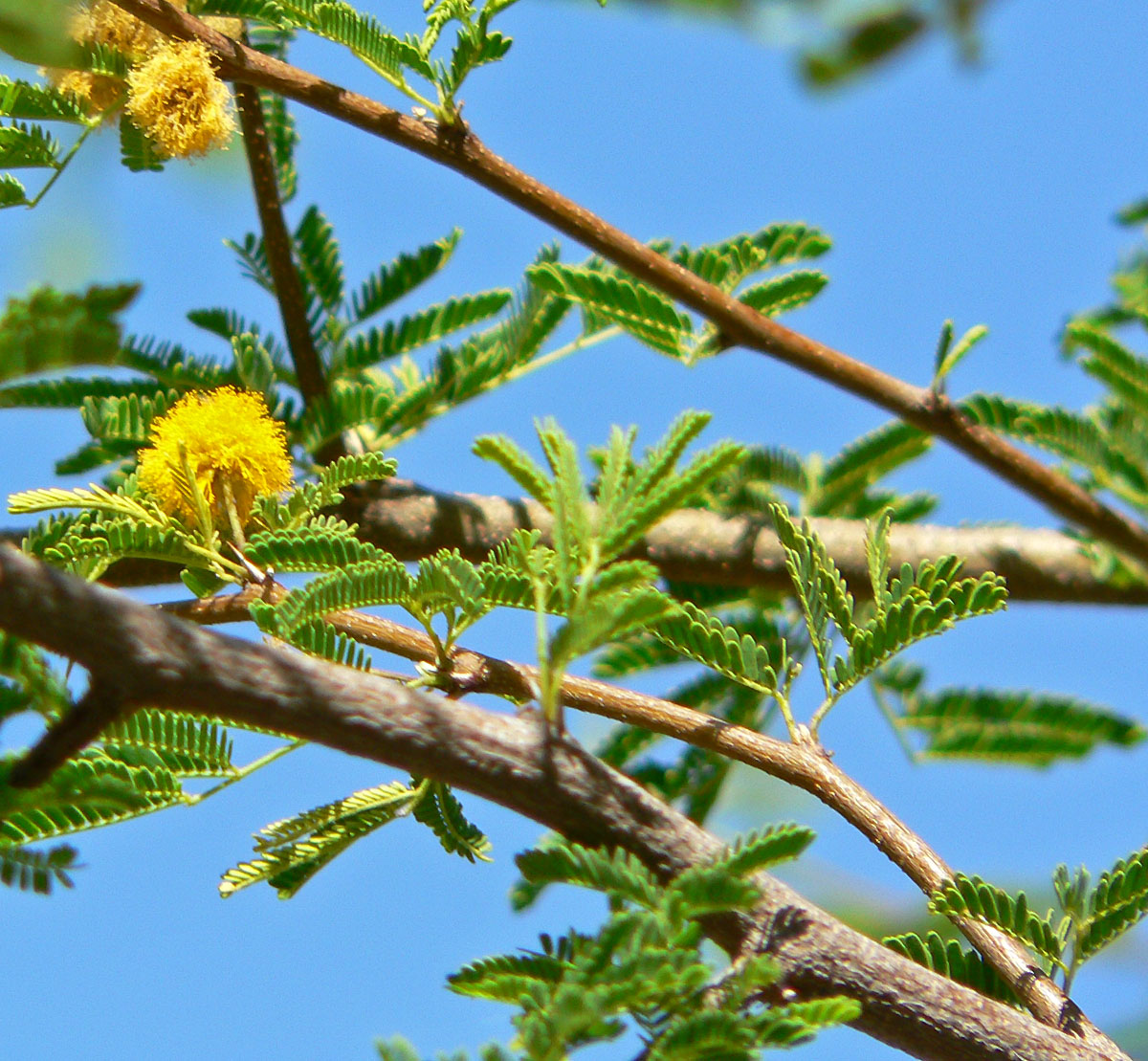
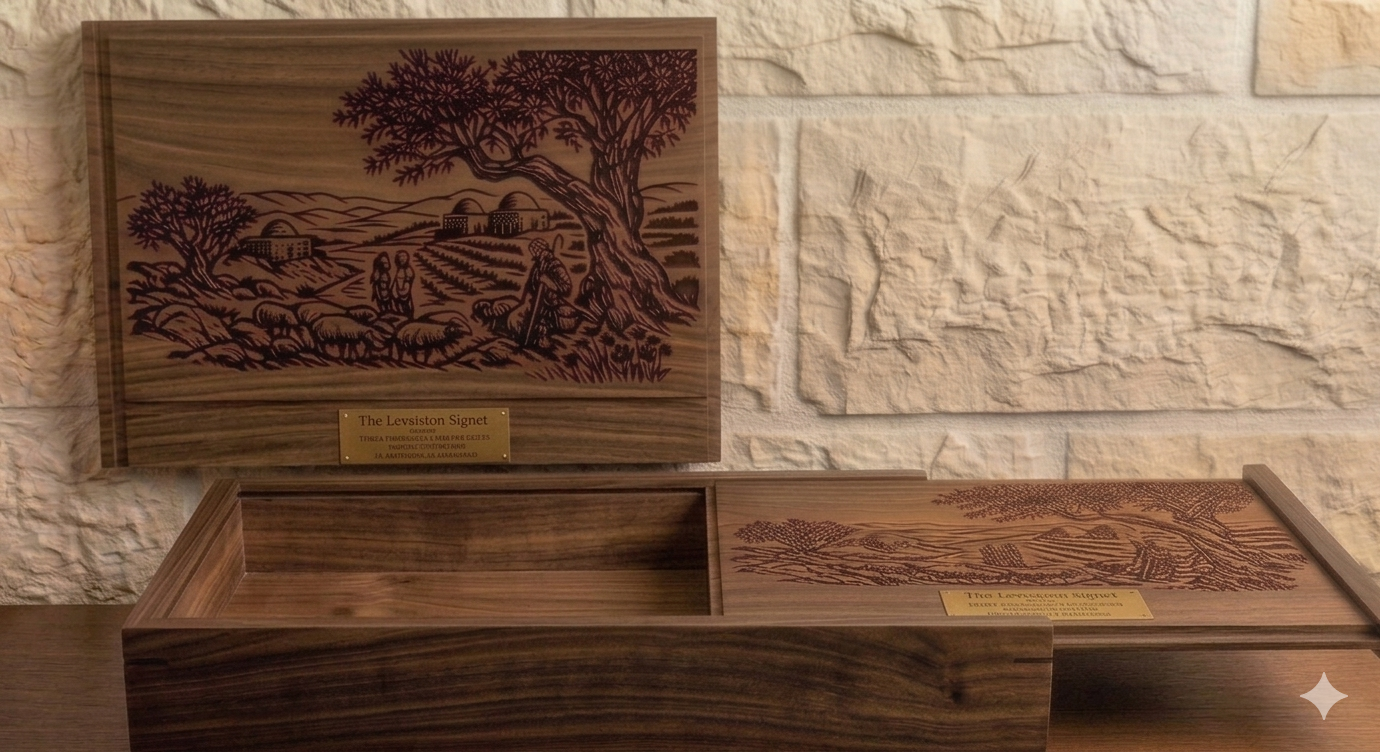
The Acacia heritage box — from desert tree to presentation case
The acacia presentation box continues the line of sacred wood described in the building of the Ark and the desert Sanctuary—dense, enduring, and fitting for heirloom pieces. The Negev and sweet-acacia scenes beside this row recall the climate and botany behind the species; your box carries that lineage in hand-finished form.
“And they shall make an ark of acacia wood…” — Exodus 25:10
Moses was loyal in his role in transporting the ark of the covenant. When opposition broke out, Moses told his people: “Jehovah will make known who belongs to him.” May we too be known by our Father.
“Jehovah is aware of what the blameless go through, And their inheritance will last forever.”
Every Jerusalem Signet artifact is accompanied by parchment-style authenticity documentation: a formal record linking your piece to the hand that lettered the klaf and the day it was set down in ink.
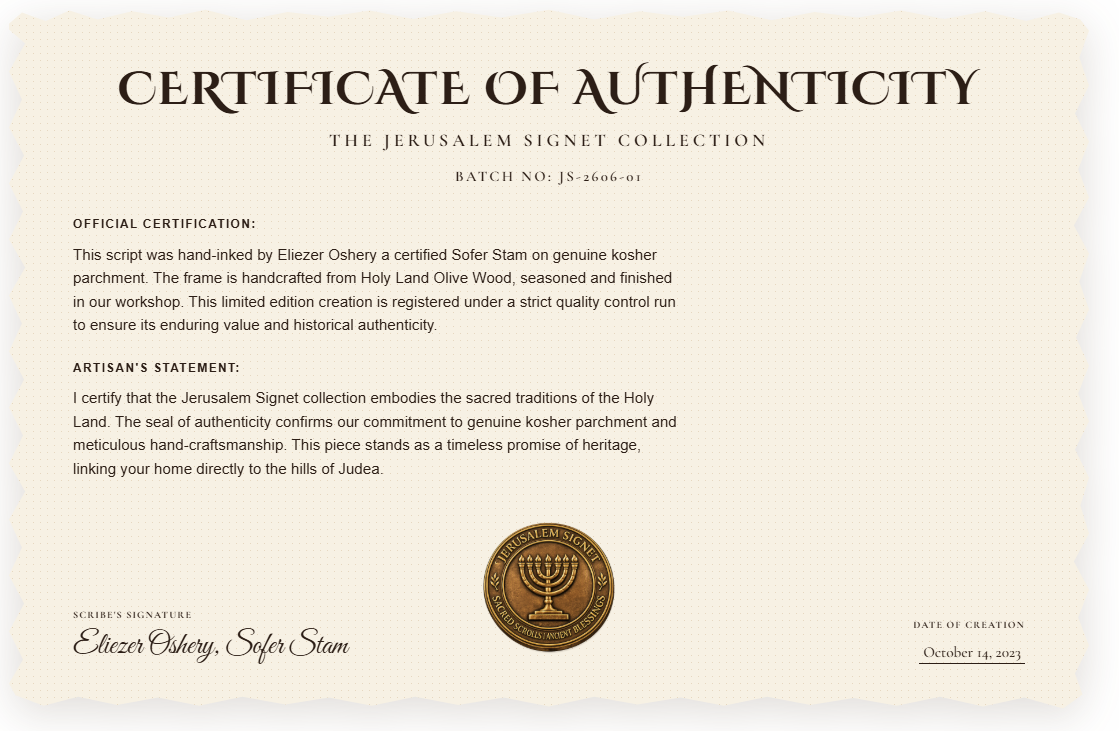
Parchment certificate with Jerusalem Signet seal
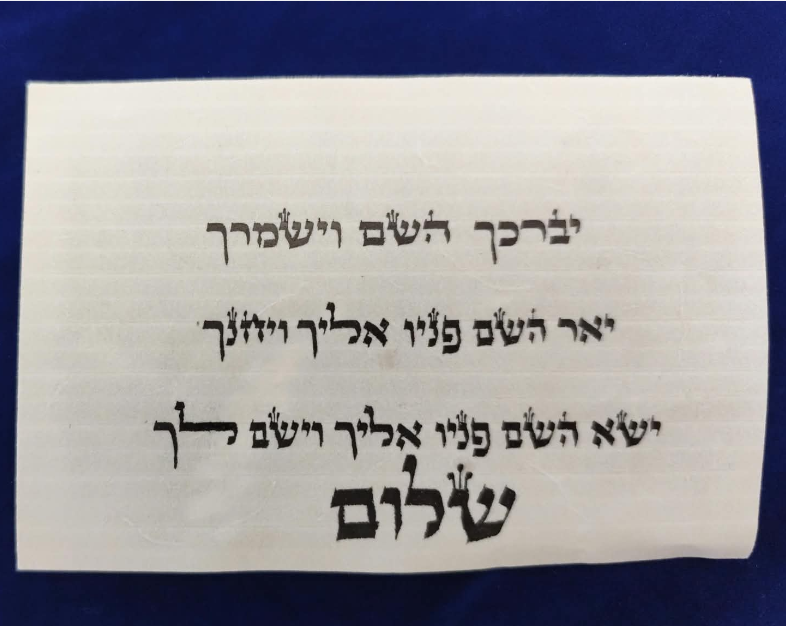
Priestly Blessing on klaf — the sacred calligraphy certified by your document.
Sofer Elazar Osheri — the hand that letters the klaf your certificate attests to
The certificate records the essentials so heirs, guests, or archives can see at a glance how this work was produced and authenticated—paired with the Jerusalem Signet embossment and artisan statement on the sheet itself.
Olive is sourced from the Galilee. Each blessing is handwritten in Hebrew by a certified Sofer STaM, laid on royal velvet in the spirit of the parochet, and covered with glass for protection. The reverse carries a precise English translation, laser-etched for permanence—Hebrew on the face you display, English on the back for clarity in every home.
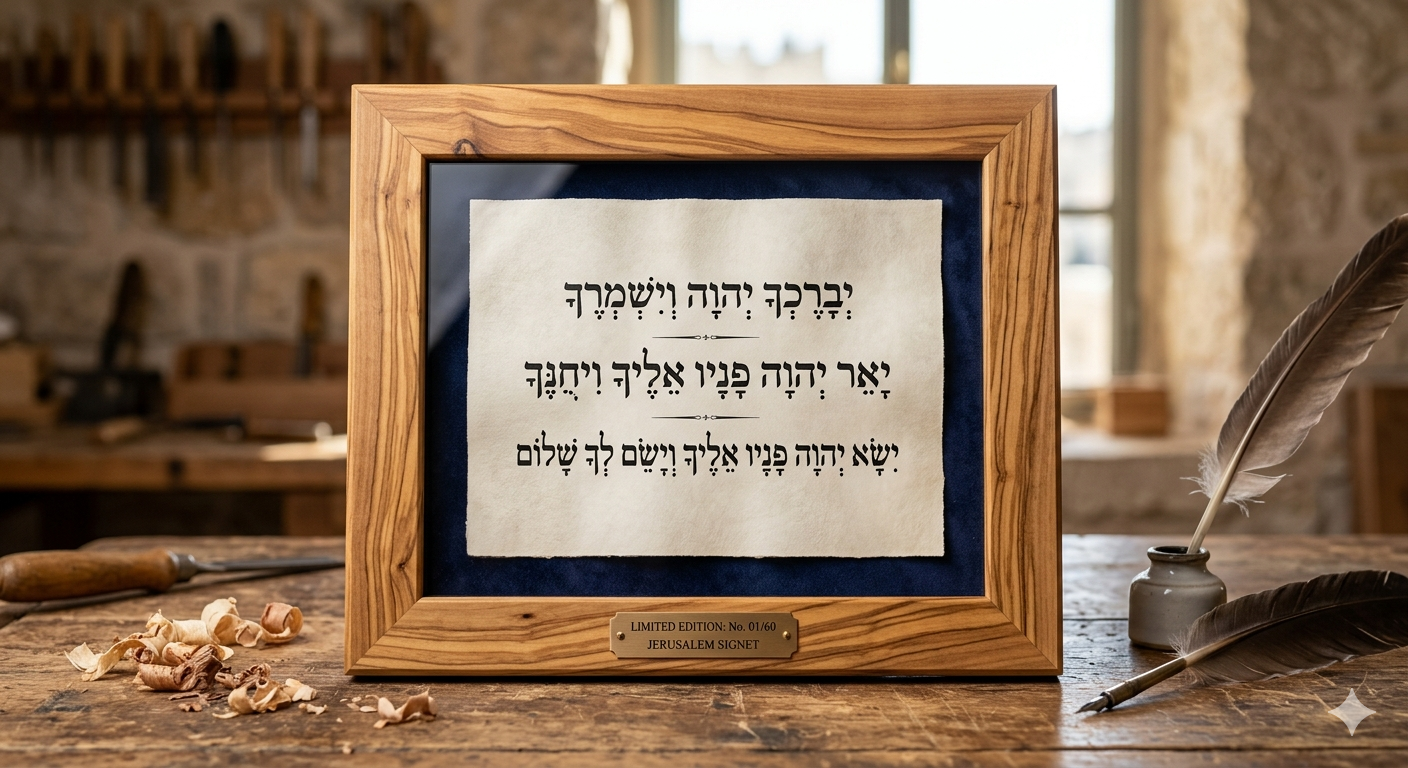
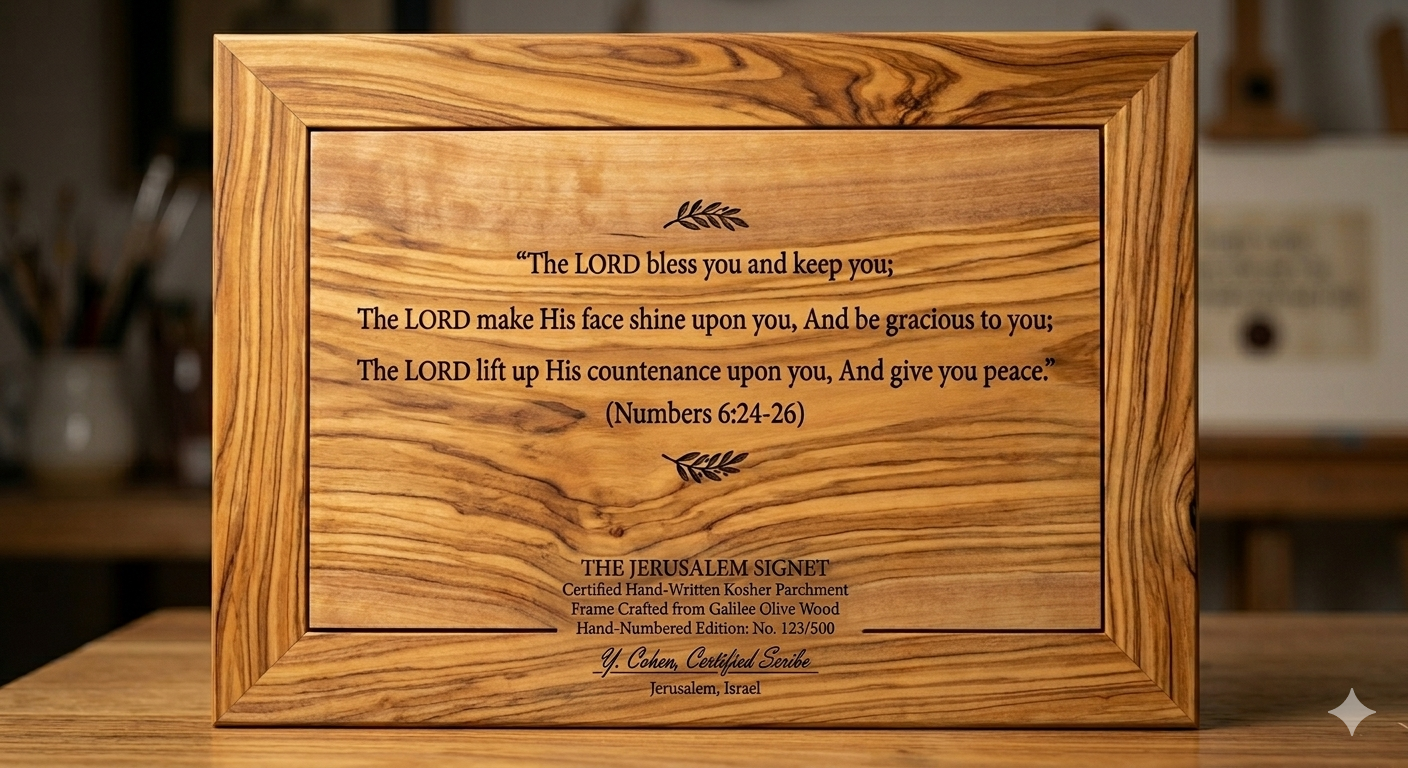
Front: Hebrew blessing · Back: English translation
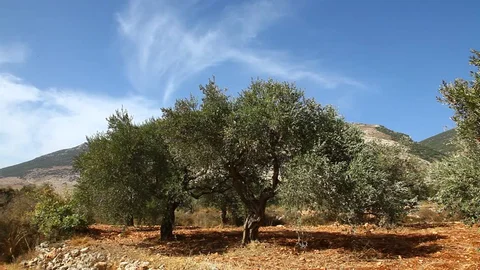
Olive trees, orchard — Lower Galilee, Israel. The photograph is taken among productive olive groves in the northern Galilee’s lower hills: gnarled, slow-grown timber like this is the stock from which plate and ring pieces are cut—wood that has weathered the same sun, soil, and seasons as the orchards themselves.
A simple rectangular profile in Galilee olive wood: the front presents the sacred text in Hebrew; the back carries the translation, laser-etched so the wording stays crisp for generations. The orchard scene beside this row grounds the piece in Lower Galilee, where olive culture is ancient and continuous.
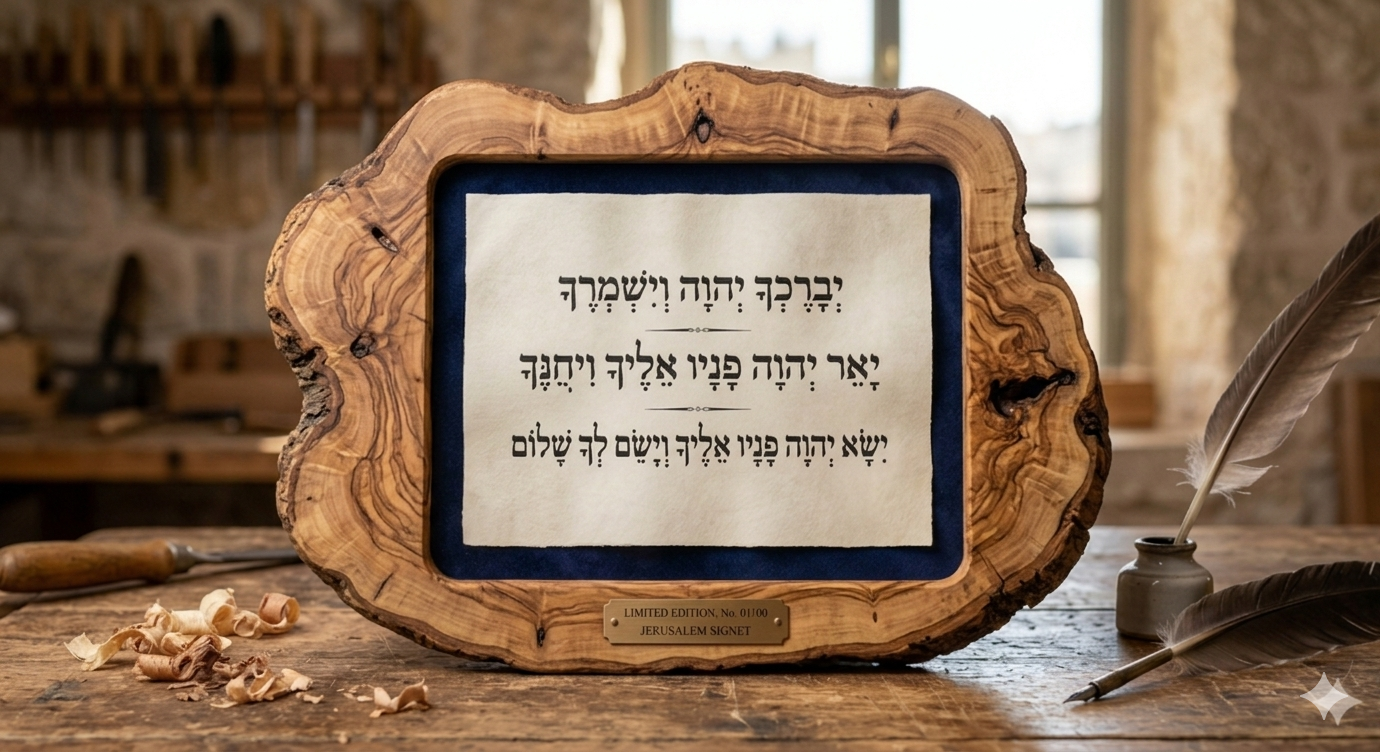
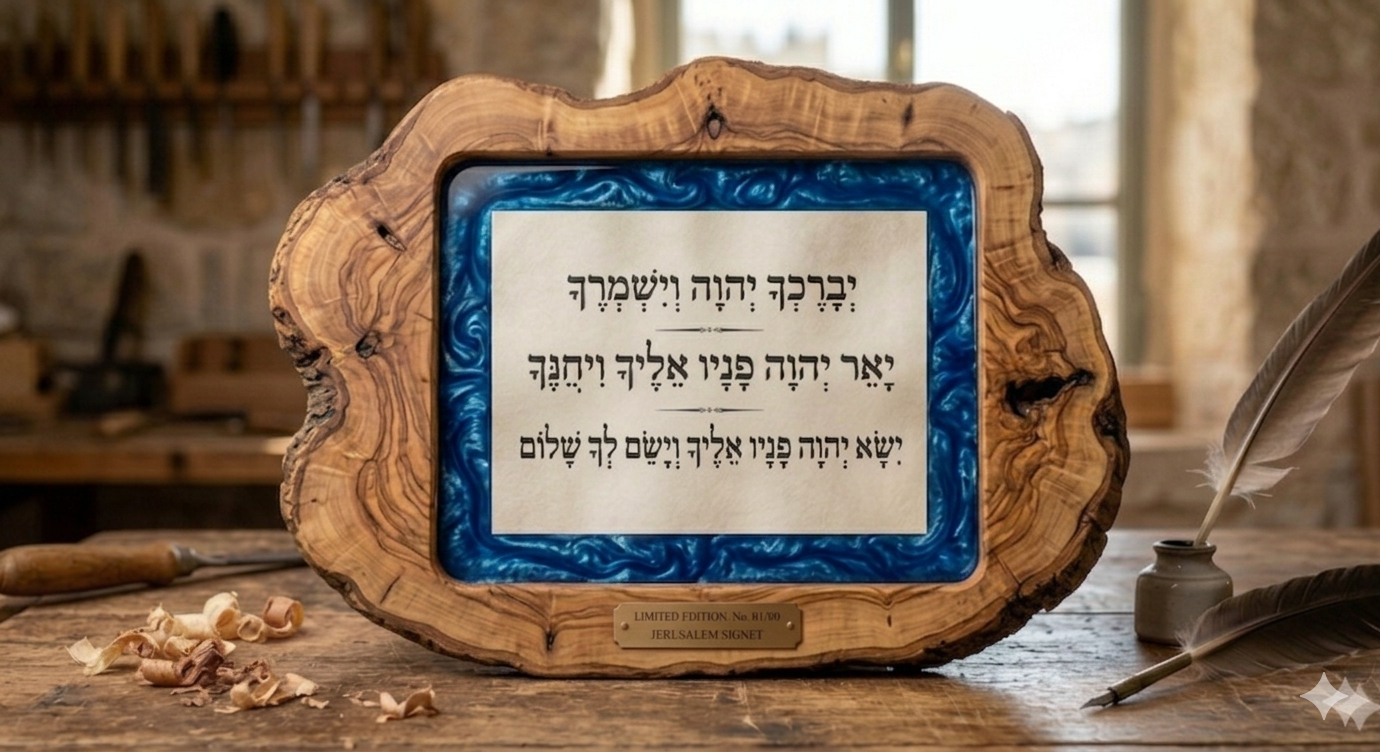
Natural olive ring — Hebrew forward, English behind
The natural olive ring setting frames the parchment in Hebrew toward the viewer; turn the piece to read the same blessing’s English translation on the reverse. You may select a royal velvet surround reminiscent of the parochet, or an epoxy background for a smooth, luminous field—either mount pairs with glass and olive in balanced, elegant proportion.
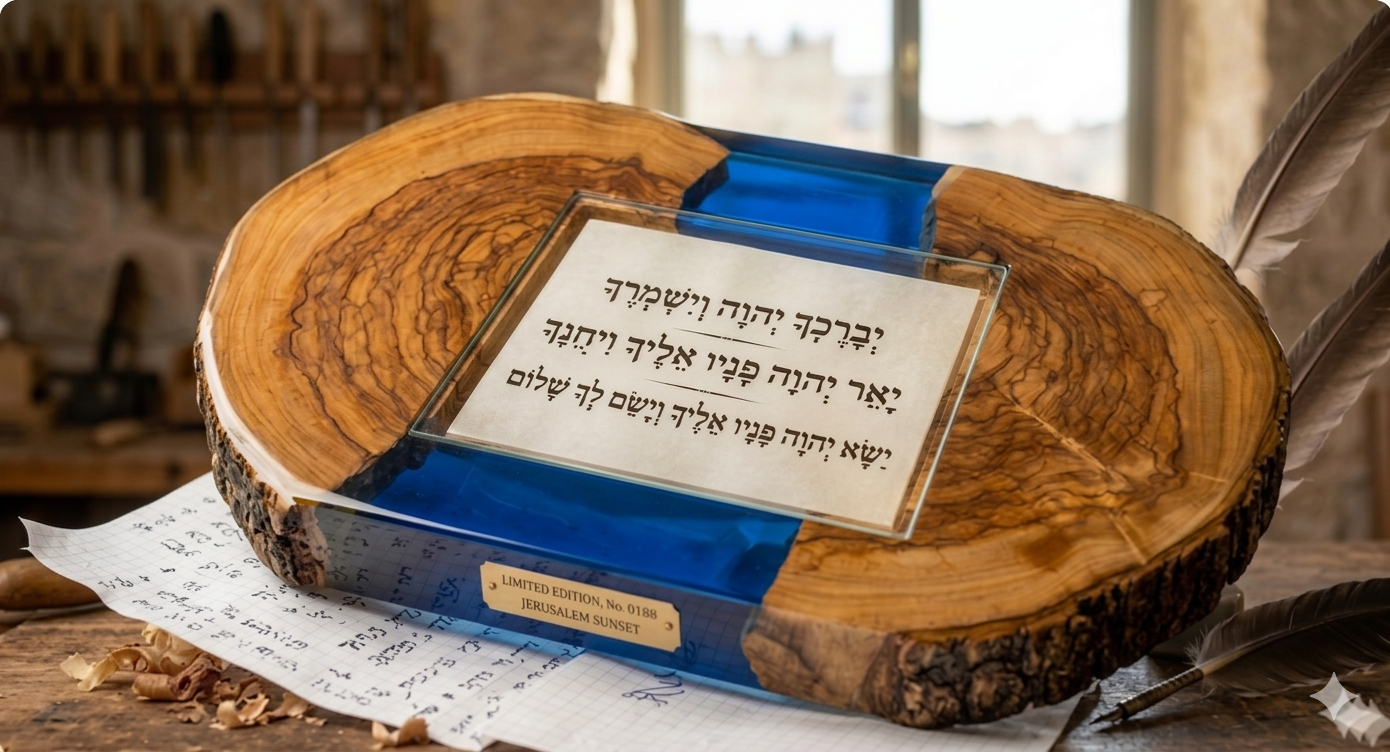
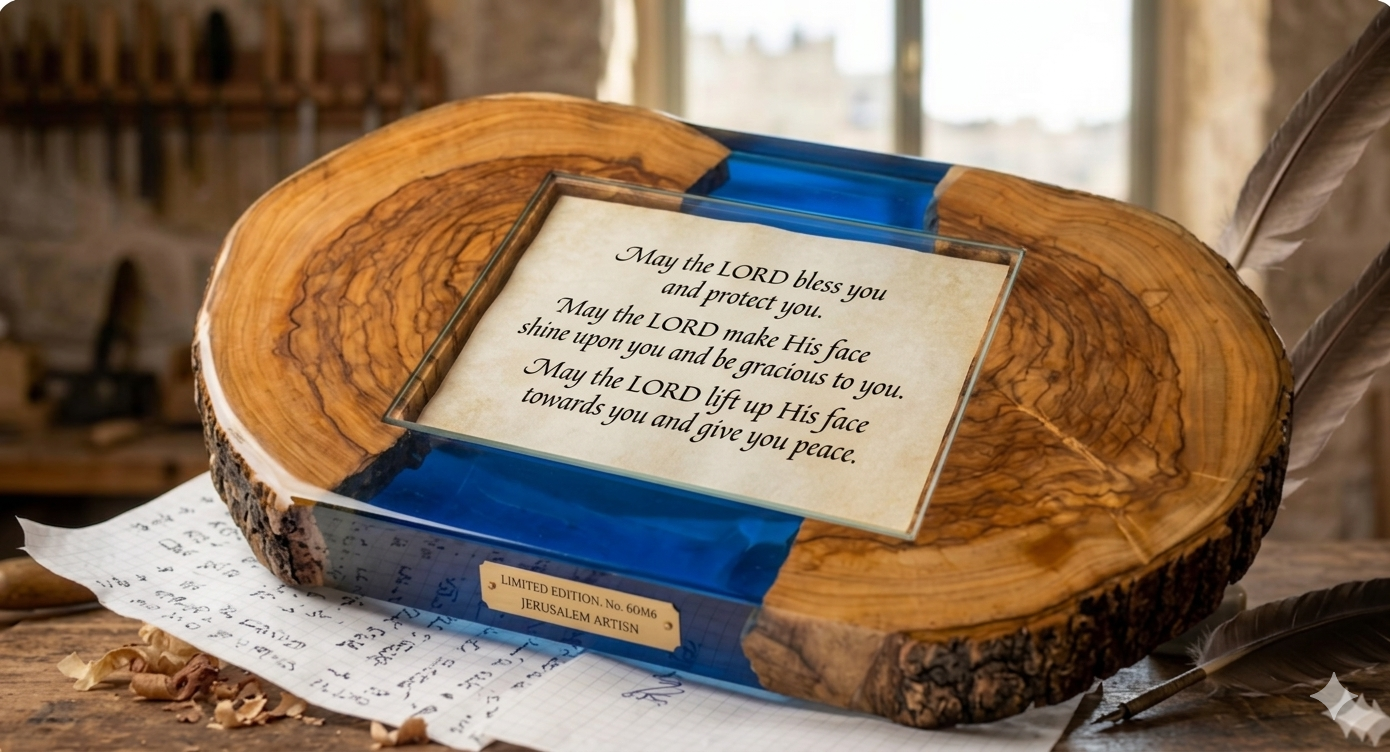
Natural olive with epoxy — same Hebrew / English pairing
The same bilingual presentation—Hebrew on the front face you cherish first, English laser translation on the back—with a ring of natural olive paired to a high-clarity epoxy accent for depth and modern light play, still on royal velvet under glass.
Mix a presentation cartridge with the blessing piece that fits the moment: heirloom acacia for a desk or mantle, midnight kraft for gifting; pair the rectangle plate or either ring with the box that matches your story.
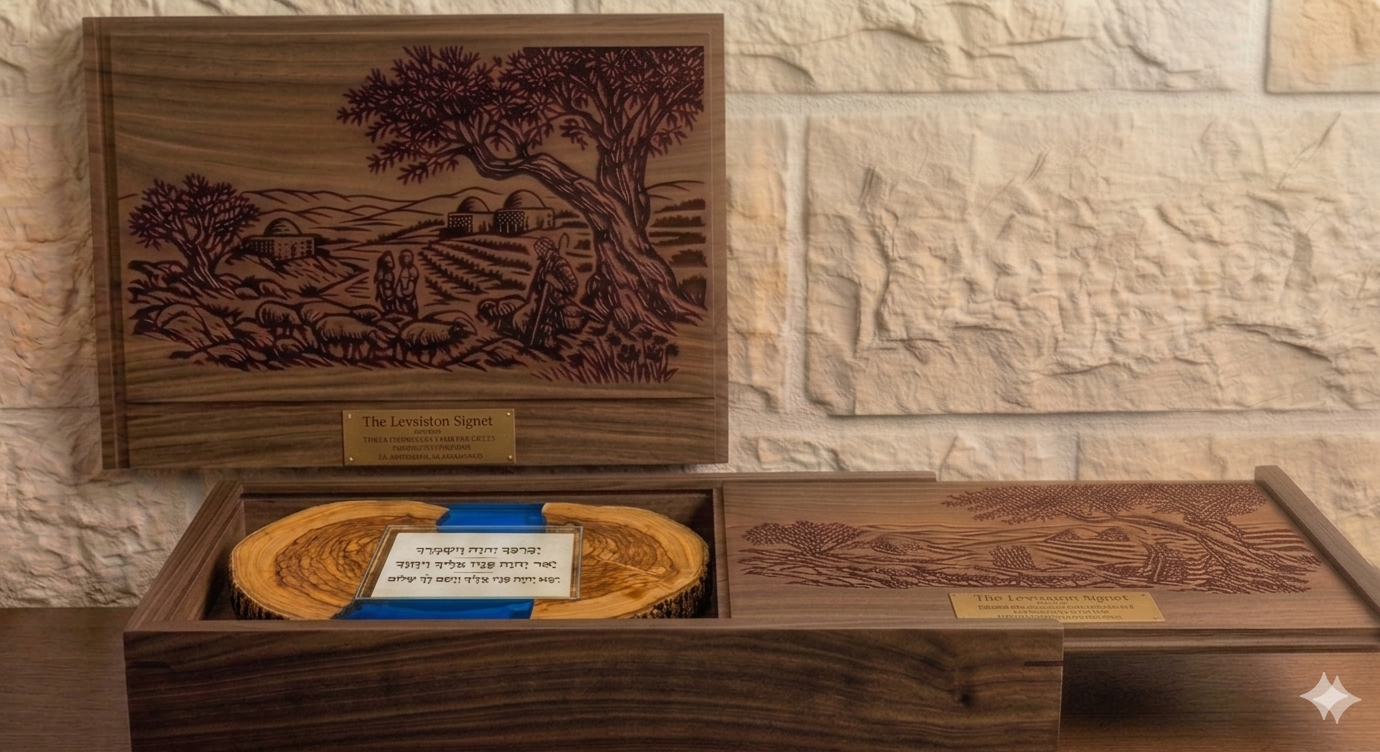
Step through box, centerpiece, mount, and blessing edition—join our exclusive, made-to-order priority waiting list today.
Open the pairing guide