Galilee Olive Wood
Authentic olive wood from the Galilee, chosen for grain, strength, and the symbolism of deep roots in the Holy Land.
Handcrafted olive wood, sacred handwriting, finishing and preservation—made to live with you for generations.
Every Jerusalem Signet begins with natural materials from the Land, continues with scripture written according to tradition, and ends as a framed heirloom you can touch, display, and pass down. On this page we walk through how wood, parchment, ink, protection, velvet setting, and presentation come together.
Five pillars define each piece: the wood, the writing, preservation, the artistic setting, and the seal.
Authentic olive wood from the Galilee, chosen for grain, strength, and the symbolism of deep roots in the Holy Land.
Every verse is meticulously hand-lettered by a Certified Sofer STaM (Ritual Scribe). Preserving the sacred laws of traditional Hebrew calligraphy, our scribes write with ritual perfection on authentic parchment using traditional ink and quills to ensure each word is spiritually pure, enduring, and sharp.
Careful finishing protects the handwritten scroll—clarity, durability, and reverence for the text beneath.
Royal velvet and framing inspired by synagogue dignity—the scroll rests as both sacred text and objet d’art. For a different mood, you may choose a high-clarity epoxy background instead: a smooth, luminous field that lends contemporary elegance while the klaf remains presented under glass.
Wax seal, certificate of authenticity, and presentation worthy of gifting across generations.
Olive timber whose grain tells the story of the hills around the Galilee. Each piece is worked by hand—from selecting the raw board and shaping its natural live edges, to meticulous sanding and finishing. We craft every frame so that the wood honors both the blessing inside and the room where it will hang.
Our olive wood is sustainably and legally sourced from the Land of Israel, entering the supply chain solely through routine agricultural pruning or with special authorization from Israel’s forestry administration.
Video tours of our shaping and finishing process are coming soon.
The handwritten parchment deserves protection without diminishing its presence. Our transparent sealing preserves legibility and guards against moisture and dust while allowing light to reveal the ink raised on genuine parchment (Klaf).
Joinery and epoxy application videos will be featured in this section soon.
For thousands of years, while empires rose and fell, a small group of dedicated craftsmen has maintained a chain of tradition unbroken since the time of Mount Sinai. These are the Sofer STaM—the sacred scribes of Israel. For those who cherish the Bible as the inspired Word of God, understanding the work of the Sofer offers a profound window into how the Scriptures have been preserved with extraordinary care.
The word Sofer literally means “scribe” or “one who counts.” Historically, these scribes were called “counters” because they would count every single letter in a Torah scroll to ensure not one was added or missing. The acronym STaM stands for the three primary sacred items they produce: Sifrei Torah (Torah Scrolls), Tefillin (Phylacteries), and Mezuzot (Scripture scrolls for doorposts).
A Sofer is more than a calligrapher; he is a spiritual artisan. Before beginning his work each day, he immerses himself in a ritual bath (Mikvah) to ensure spiritual purity. Every letter he writes is preceded by a verbal declaration that he is writing “for the sake of the sanctity of the Name of God.”
In a world of digital screens and mass-produced paper, the Sofer writes exclusively on Klaf—genuine parchment made from the skin of a clean (kosher) animal. This is not merely traditional; it is a theological statement. The Word of God is written onto a medium that was once alive, symbolizing that the Word itself is living and active.
The ink used by a Sofer is a deep, jet-black, strictly Kosher formula known as Dyo. Following recipes that date back to the Second Temple period, it must be crafted from natural components and contain no forbidden ingredients. It is traditionally made from a combination of:
This specific combination creates a “raised” texture on the parchment. When you run your finger over a hand-written blessing, you can feel the physical presence of the Word.
We honor the ancient tradition of the Sofer STaM by using only certified scribes, authentic parchment, and 100% traditional Kosher ink. This ensures your heirloom remains completely faithful to halachic principles while remaining pristine for future generations.
In the world of the Sofer STaM, the quill is a sacred extension of the scribe’s hand. According to ancient tradition, scribes strictly avoid metal nibs—as metal is a symbol of war and iron—choosing instead the traditional Kulmus, a reed or kosher bird feather (such as a turkey or goose) hand-cut to their personal grip.
Our project, The Jerusalem Signet, embraces this timeless art without compromises. Our certified scribes use exclusively traditional quills to craft every letter with absolute halachic integrity.
Our mission is to bring the timeless word from the heart of Jerusalem to your home. By relying entirely on authentic tools and traditional practices, we ensure that the beauty of the tradition is never compromised.
When you hold a blessing hand-written by a Sofer STaM, you are not holding a piece of merchandise. You are holding a piece of biblical history.
At The Jerusalem Signet, these scribes use the same methods used to write the scrolls of the Prophets to pen personal blessings of peace, health, and prosperity. It is a bridge between the ancient covenant and your modern home—a reminder that the same God who commanded the scribes to “write these words upon your heart” is the God who blesses you today.
In Israel, it is illegal to cut down olive trees both according to Jewish law and the government. Here, we preserve life.
כִּי תָצוּר אֶל עִיר יָמִים רַבִּים לְהִלָּחֵם עָלֶיהָ לְתָפְשָׂהּ – לֹא תַשְׁחִית אֶת עֵצָהּ לִנְדֹּחַ עָלָיו גַּרְזֶן, כִּי מִמֶּנּוּ תֹאכֵל וְאֹתוֹ לֹא תִכְרֹת, כִּי הָאָדָם עֵץ הַשָּׂדֶה לָבֹא מִפָּנֶיךָ בַּמָּצוֹר. רַק עֵץ אֲשֶׁר תֵּדַע כִּי לֹא עֵץ מַאֲכָל הוּא – אֹתוֹ תַשְׁחִית וְכָרָתָּ, וּבָנִיתָ מָצוֹר על הָעִיר אֲשֶׁר הִוא עֹשָׂה עִמְּךָ מִלְחָמָה עַד רִדְתָּהּ.
Deuteronomy 20:19–20 · Devarim (דברים) כ׳, יט–כ
Translation: When you besiege a city for many days, making war against it in order to capture it, you must not destroy its trees by wielding an axe against them. You may eat from them, but you shall not cut them down. Are trees of the field human beings, to withdraw before you into the besieged city? Only a tree that you know does not yield food may you destroy and cut down, and you may build siege works against the city that makes war with you until it falls.
This passage is the Torah source for the mitzvah of בל תשחית (Bal Tashchit)—the commandment against needless destruction. It forbids cutting down fruit-bearing trees even in wartime (aside from the narrow exception the verse describes), and the Sages extended the principle to careless waste and destruction generally. Honoring ancient olive trees grows directly out of that spirit of preservation.
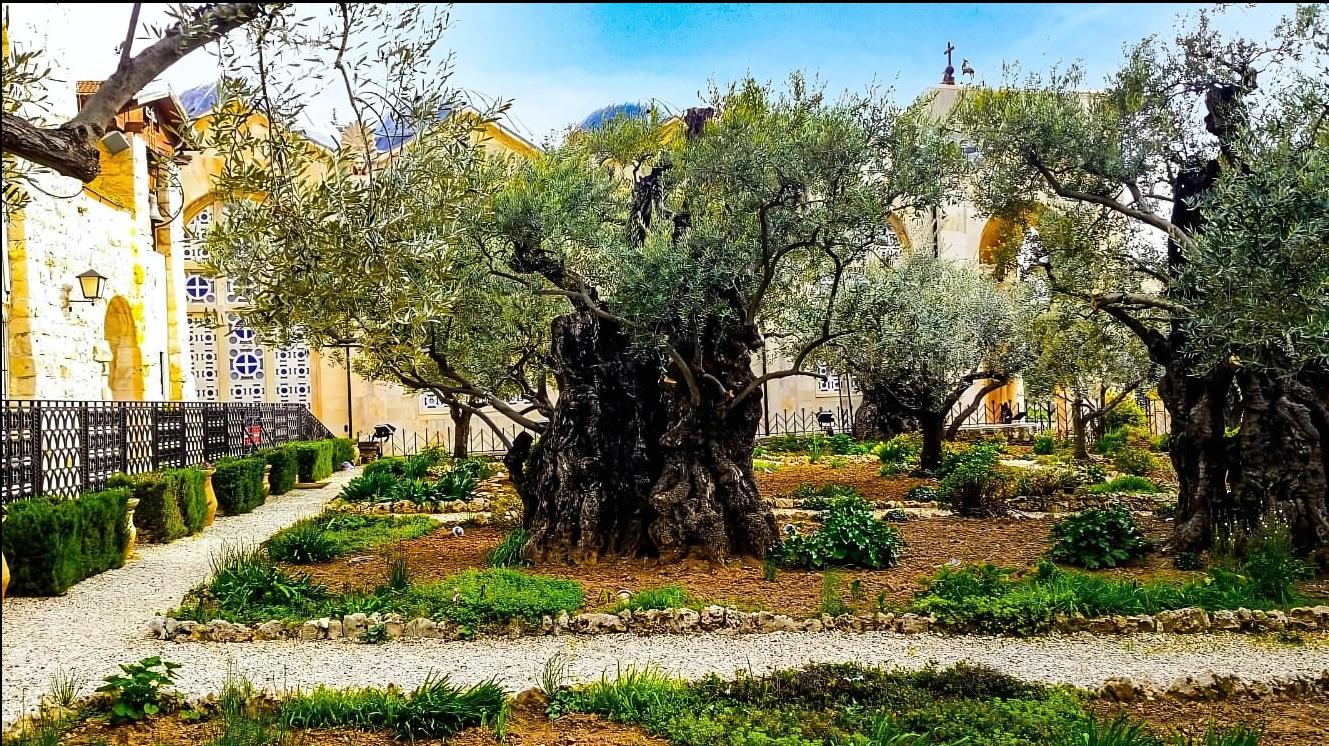
Standing amongst these ancient olive trees, some of the oldest on Earth, one feels a link to both Jewish history, including the Temple on Mount Moriah which these trees witnessed, and the Christian faith, as this is where Jesus prayed before his crucifixion according to the New Testament.
— Garden of Gethsemane, Mount of Olives, Jerusalem, Israel
Watch the sacred scribal craft in motion; more films will follow for wood shaping, preservation, and final assembly.
Discover the curated verses we hand-inscribe on klaf — peace, prosperity, health, and the Priestly blessing.
View Our BlessingsExplore finished Signature and Living Roots sets, packaging, and personalization options.
Explore Our Gallery