Tribe 01 // The Firstborn
"יְחִי רְאוּבֵן וְאַל יָמֹת, וִיהִי מְתָיו מִסְפָּר."
"Let Reuben live and not die, and let his men be few in number." — (Deuteronomy 33:6)
Reuben’s Reckless Promise
When the brothers needed to take Benjamin down to Egypt, Reuben tried to reassure his father, Jacob, by saying: "You may kill my own two sons if I do not bring Benjamin back to you."
Jacob was not comforted. He looked at Reuben and replied:"You foolish firstborn! Do you think your sons are not also my sons? If you fail to return Benjamin, would killing my own grandsons ease my pain? That is a senseless guarantee."
Reuben and the Mandrakes: A Lesson in Integrity
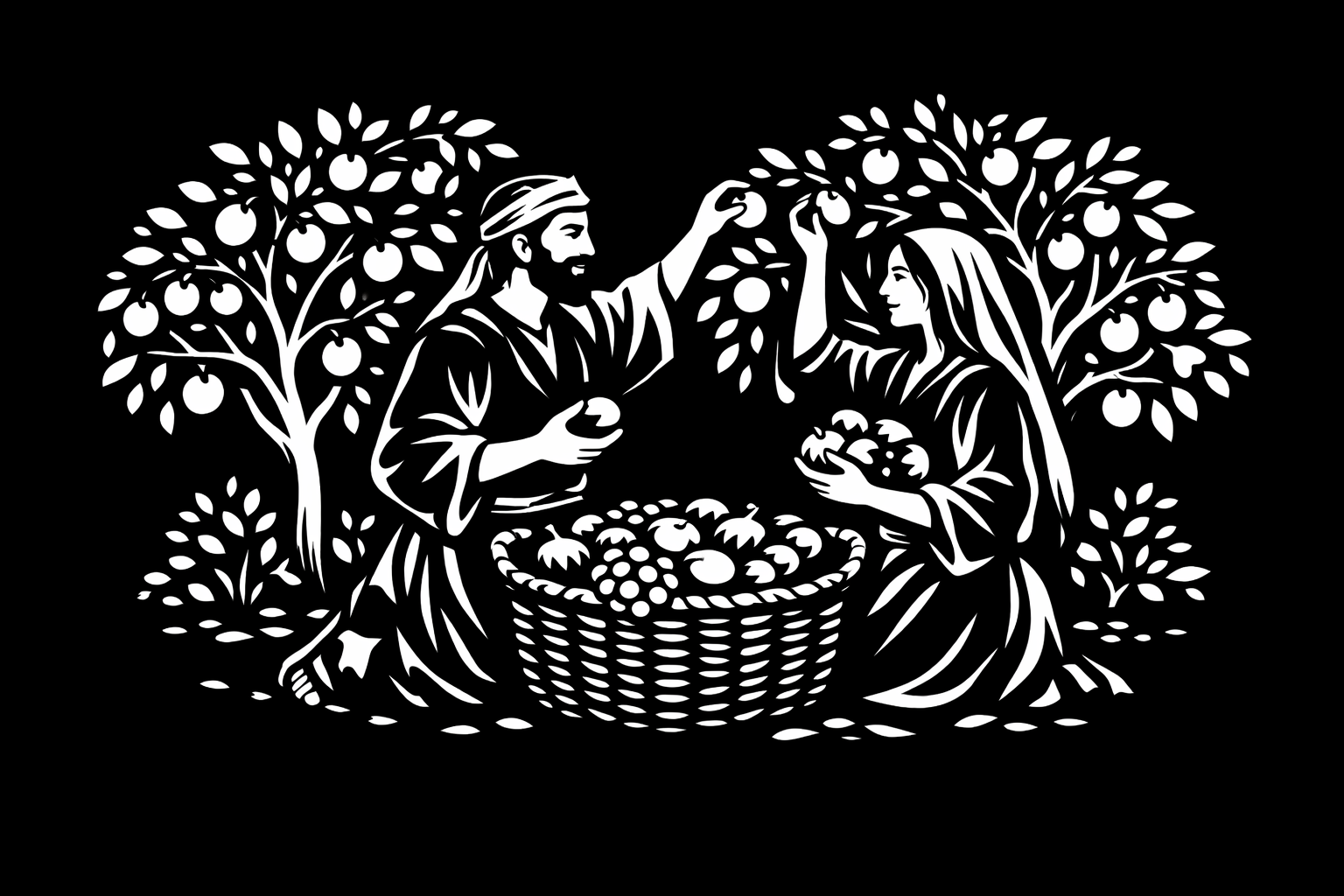
The Midrash tells a beautiful story about young Reuben during the wheat harvest. While playing in the fields, he found Mandrakes (Dudaim)—sweet-smelling plants known for their beauty.
Even as a young boy, Reuben’s character was exceptional. The sages point out that although he was in an open field, he was careful not to take anything that belonged to others. He did not pick from someone else's garden or a private orchard; he only gathered plants that were ownerless (Hefker) in the wild, showing his deep honesty from a young age.
He brought the flowers to his mother, Leah, to bring her joy. This simple act of kindness led to a profound moment of peace and cooperation between Leah and Rachel.
Jacob later remembered this sensitivity. It reminds us that Reuben’s essence was a mixture of filial piety (honoring his parents) and strict honesty, always trying to bring harmony to his family, even through a small bouquet of wildflowers.
Tribe 02 // The Brother
"שִׁמְעוֹן וְלֵוִי אַחִים, כְּלֵי חָמָס מְכֵרֹתֵיהֶם."
"Simeon and Levi are brothers; weapons of violence are their swords." — (Genesis 49:5)
Simeon and Levi: The Fearless Defenders
When Joseph (disguised as the Egyptian viceroy) threatened to keep Benjamin as a slave, Simeon and Levi stood together in fierce defiance. The Midrash describes their terrifying strength:
Their combined roar was so powerful that it shook the very foundations of the Egyptian palaces.Jacob later criticized their anger, saying:"Cursed be their anger, for it is fierce."
Yet, throughout history, their bond taught a powerful lesson: While anger can be destructive, the unbreakable loyalty between brothers is a force that even the strongest empires cannot ignore.
Tribe 03 // The Teacher
"יוֹרוּ מִשְׁפָּטֶיךָ לְיַעֲקֹב, וְתוֹרָתְךָ לְיִשְׂרָאֵל."
"They shall teach Jacob Your ordinances, and Israel Your law." — (Deuteronomy 33:10)
Simeon and Levi: The Conflict at Shechem
The Background: The Defiling of Dinah
The conflict began when Dinah, the daughter of Jacob and Leah, went out to visit the local women in the city of Shechem. The prince of the city, also named Shechem, saw her, took her by force, and defiled her.
Despite the act of violence, the prince claimed to love Dinah and asked his father, Hamor, to negotiate a marriage with Jacob’s family.
The Deception
When Jacob’s sons heard what had happened, they were filled with "furious anger" because Shechem had committed a "disgraceful thing in Israel." However, rather than seeking a legal or peaceful resolution, they spoke deceitfully to the people of Shechem.
They told the prince and his father that they could only agree to the marriage if every male in the city was circumcised, claiming they could not give their sister to an uncircumcised man. The men of Shechem, eager for an alliance with the wealthy family of Jacob, agreed and underwent the procedure.
The Massacre
On the third day after the circumcision, while the men of the city were in great pain and unable to defend themselves, Simeon and Levi took their swords and entered the city:
- They killed every male in the city, including the prince and his father.
- They rescued their sister Dinah from Shechem’s house.
- The other brothers then joined in, looting the city and taking the flocks, wealth, and captives.
Jacob’s Reaction: Fear and Practicality
Jacob’s immediate reaction was one of distress and fear. He said:
"You have brought trouble on me by making me a stench to the Canaanites and Perizzites... We are few in number, and if they unite against us and attack me, I and my household will be destroyed."
(Genesis 34:30)
Simeon and Levi’s defiant response was: "Should he have treated our sister like a prostitute?"
The Final Judgment: Jacob’s Deathbed Rebuke
The reason they are viewed as "reckless" is seen years later in Genesis 49, when Jacob issued a harsh rebuke to Simeon and Levi:
- Violence as a Tool: He called their swords "weapons of violence" and refused to let his soul enter their council.
- Uncontrolled Anger: He said, "Cursed be their anger, for it is fierce, and their fury, for it is cruel!"
- The Punishment: Because they had acted impulsively and violently, Jacob declared that their descendants would be scattered throughout Israel rather than having a single, unified territory.
This narrative serves as a warning that while the cause may be just, the methods of anger and treachery carry long-lasting consequences.
Tribe 04 // The Leadership
"גּוּר אַרְיֵה יְהוּדָה, מִטֶּרֶף בְּנִי עָלִיתָ."
"Judah is a lion's cub; from the prey, my son, you have gone up." — (Genesis 49:9)
Judah: The Roaring Lion
When the Egyptian ruler insisted on keeping Benjamin as a slave, Judah stepped forward. He didn't just speak; he prepared for war.
The Midrash describes that Judah was so filled with holy rage that a single hair on his chest stood up, piercing through his armor. He let out a roar that was heard all the way to the Land of Israel, hundreds of miles away.
Judah told the ruler (Joseph):
"You may be the king of Egypt, but I am the king of my brothers. If you do not release Benjamin, I will dye the streets of Egypt red. I gave my word to my father to be a guarantor for the boy, and I will not return without him."
It was this absolute accountability and raw courage that proved Judah was worthy of being the forefather of the Jewish kings.
Tribe 05 // The Judge
"יְהִי דָן נָחָשׁ עֲלֵי דֶרֶך', שְׁפִיפֹן עֲלֵי אֹרַח."
"Dan shall be a serpent by the way, a horned snake in the path, that biteth the horse's heels, so that his rider falleth backward." — (Genesis 49:17)
Dan: The Restorer of Lost Things
The tribe of Dan held a unique and humble role in the wilderness. While the other tribes marched forward, Dan was the "Gatherer" (the Me'assef). They were the last ones in line, ensuring that no person and no object was left behind.The Midrash tells us that if a person from another tribe dropped a precious jewel, or if an elderly person struggled to keep pace, the men of Dan were there to pick them up and return them to their rightful place.Jacob blessed Dan by saying:
"Dan shall judge his people as one of the tribes of Israel." The legend says that Dan’s strength was like that of a serpent—quiet but powerful. From this tribe would later come Samson, the strongest man to ever live, who fought alone against entire armies to protect his people. Dan reminds us that even those who stand in the back are essential for the survival of the whole nation.
Tribe 06 // The Eloquent
"נַפְתָּלִי אַיָּלָה שְׁלֻחָה, הַנֹּתֵן אִמְרֵי שָׁפֶר."
"Naphtali is a hind let loose; he gives beautiful words." — (Genesis 49:21)
Naphtali: The Messenger of Light
Naphtali was known as the "swift deer" of the tribes. The Midrash tells us that he was so light on his feet that he could run across a field of ripening grain without bending a single stalk.
The most famous legend of Naphtali takes place during the funeral of Jacob. When the brothers arrived at the Cave of Machpelah, Esau blocked the entrance, claiming the spot was his. The brothers knew they had the legal deed to the cave, but the document was left behind in Egypt.
Naphtali stepped forward and said, "I will go!" He ran from the Land of Israel to Egypt and back so fast that the Midrash says he returned before the dust from the brothers' arrival had even settled. Because of his speed, the truth was revealed, the document was produced, and Jacob was laid to rest in peace.Jacob blessed him:"Naphtali is a deer let loose; he gives beautiful words." This teaches us that Naphtali’s speed wasn't just physical—it was the speed of a kind heart, always ready to bring good news and resolve conflict with grace.
Tribe 07 // The Troop
"גָּד גְּדוּד יְגוּדֶנּוּ, וְהוּא יָגֻד עָקֵב."
"Gad, a troop shall press upon him, but he shall press upon their heel." — (Genesis 49:19)
Gad: The Brave Vanguard
The tribe of Gad were the ultimate warriors of Israel. The Midrash describes them as fierce and powerful men who lived on the frontier. They were so skilled in battle that they would strike their enemies with a single blow, and their appearance alone was enough to make opposing armies retreat.
The legend says that when Gad’s soldiers went to war, they looked like lions. They were known for the "Double Strike"—they were so precise that they could take down an opponent in one swift move.
When the tribes were about to enter the Land of Israel, Gad made a brave choice. Even though their inheritance was on the other side of the Jordan River, they said:
"We will not rest in our own homes until every one of our brothers has secured their land."
They acted as the Vanguard (the front line), leading the way into every battle. Because of their selflessness and bravery, Moses blessed them, comparing Gad to a lion that tears its prey with confidence and strength.
Tribe 08 // The Prosperous
"מֵאָשֵׁר שְׁמֵנָה לַחְמוֹ, וְהוּא יִתֵּן מַעֲדַנֵּי מֶלֶךְ."
"From Asher his bread shall be fat, and he shall yield royal dainties." — (Genesis 49:20)
Asher: The Provider of Joy
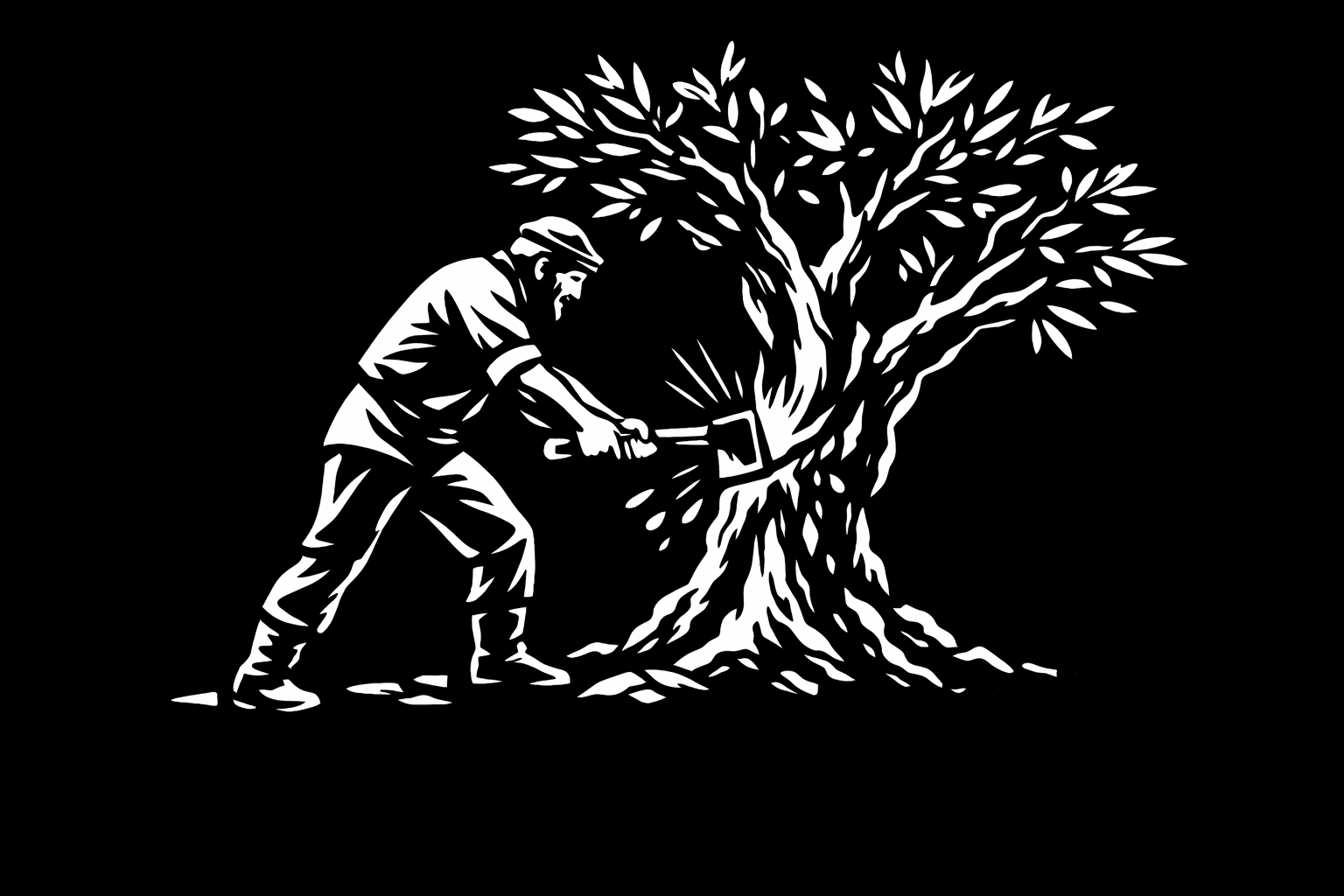
The tribe of Asher lived in a land blessed with endless olive groves. The Midrash says that in Asher’s territory, oil flowed like a river, and no one there ever knew the meaning of want.
The legend tells us that Asher was the most beloved of all the brothers. Why? Because he dedicated his life to making others feel comfortable. Whenever a brother was in need or a traveler was weary, Asher would provide them with the finest oils and delicacies.
Jacob blessed him by saying:
"From Asher comes rich food; he will provide delicacies fit for a king."
The Midrash also adds a beautiful detail: Asher’s daughters were known for their wisdom and grace, and many of them married High Priests and Kings. This was a reward for Asher’s character—he was a man of peace who used his wealth not for power, but to bring light and olive oil to the Temple and smiles to the faces of his family.
Tribe 09 // The Scholar
"יִשָּׂשכָר חֲמֹר גָּרֶם, רֹבֵץ בֵּין הַמִּשְׁפְּתָיִם."
"Issachar is a strong donkey, couching down between the sheepfolds." — (Genesis 49:14)
Issachar: The Scholar of Time
Unlike his brothers who were warriors or shepherds, Issachar was the tribe of wisdom and Torah. The Midrash describes Issachar as the "backbone" of the brothers' spiritual life.
It is said that Issachar had a unique gift: he understood the secrets of the stars and the cycles of time. While the other tribes were busy with the physical world, the men of Issachar sat in their tents, calculating the calendar and teaching the nation when to celebrate the festivals.Their legend is often tied to their brother Zebulun. They made a famous pact:
"Zebulun will sail the seas and trade, providing the gold to support Issachar. In return, the merit of Issachar’s constant study will protect Zebulun on the waves."
Because of this partnership, Issachar is remembered as the one who brought the light of knowledge to the entire nation.
Tribe 10 // The Voyager
"זְבוּלֻן לְחוֹף יַמִּים יִשְׁכֹּן, וְהוּא לְחוֹף אֳנִיֹּת."
"Zebulun shall dwell at the shore of the sea; he shall be a shore for ships." — (Genesis 49:13)
Zebulun: The Guardian of the Seas
While his brothers worked the land, Zebulun looked toward the horizon. The Midrash tells us that %Zebulun was the "merchant prince" of the tribes. His territory sat upon the shores of the Mediterranean, and his ships traveled to far-off lands.
The legend says that Zebulun was the first to practice the "Business of Kindness." He didn't seek wealth for himself; he sought it to sustain his brother Issachar, who spent his days studying.
It is told that whenever Zebulun’s ships returned from a long journey, he would go straight to Issachar’s tent and say:
"Take the best of my earnings, for your wisdom is the anchor that keeps my ships safe in the storm. Without your prayers and your Torah, my sails would have no wind."
Because of his generosity, the Torah mentions Zebulun before Issachar in the blessings, teaching us that the one who supports knowledge is just as great as the one who gains it.
Tribe 11 // The Beloved
"בִּנְיָמִין זְאֵב יִטְרָף, בַּבֹּקֶר יֹאכַל עַד וְלָעֶרֶב יְחַלֵּק שָׁלָל."
"Benjamin is a ravenous wolf; in the morning he devours the prey, and at evening he divides the spoil." — (Genesis 49:27)
Benjamin: The Beloved Host
Benjamin was the youngest of the twelve brothers and was known for his absolute innocence. The Midrash explains that because Benjamin was the only brother who did not take part in the selling of Joseph, his heart remained pure and untainted by conflict.
There is a beautiful legend about why the Holy Temple (the Beit HaMikdash) was built in Benjamin’s territory. The Midrash says that all the other tribes argued, each claiming the Temple should be on their land. But Benjamin remained silent, showing humility.
Jacob blessed him, calling him a "Ravenous Wolf" (Zeev Yitraf). While this sounds fierce, the sages explain it as a spiritual metaphor: just as a wolf "seizes" its prey, the altar in Benjamin’s land would "seize" the offerings to bring peace between Heaven and Earth.
The Divine Presence chose to rest in Benjamin's portion because, as the Midrash says:
"God loves the humble. Since Benjamin never caused his brother pain, his land became the permanent home for the Shekhinah (the Divine Presence)."
The Double Portion // Menashe & Ephraim
Josef (יוסף)
Joseph: The Keeper of Dreams
Joseph is known as the "Tzadik" (the Righteous) because he maintained his faith and integrity even in the lowest pits of Egypt. The Midrash tells us that Joseph's beauty was so radiant it reminded his father, Jacob, of the light of the first man in Eden.
The legend says that while Joseph was a slave and later a prisoner, he never lost his ability to dream. When he eventually rose to power as the Viceroy of Egypt, he didn't seek revenge against the brothers who sold him. Instead, he saw the "Divine Blueprint" behind his suffering.
The Midrash describes a moving moment: When Joseph finally revealed himself to his brothers, he wept so loudly that the entire palace shook. He told them:
"Do not be distressed or angry with yourselves for selling me here, because it was to save lives that God sent me ahead of you."
Jacob blessed him as a "Fruitful Bough" (Ben Porat Yosef), a vine that grows over the walls. Just as a vine provides shade and fruit to those on the outside, Joseph used his power to feed the entire world during the great famine, proving that true leadership is the art of providing for others. Josef sons became tribes as Jacob blessed them too:
Menashe (מְנัשֶּׁה)
"וְהֵם אַלְפֵי מְנַשֶּׁה."
"They are the thousands of Manasseh." — (Deuteronomy 33:17)
Ephraim (אֶפְרַיִם)
"מְבֹרֶכֶת יְהוָה אַרְצוֹ, מִמֶּגֶד שָׁמַיִם מִטָּל."
"May his land be blessed by the Lord with the precious dew from heaven." — (Deuteronomy 33:13)